When it comes to BUILD news there has been too much rather than too little to report. On the training-of-trainers’ front, with residential blocks of training for cohorts of around twenty-five at various sites, there has been a flurry of activity. That was particularly the case in April and May, with events in Uganda, Congo, Kenya, Tanzania and Ethiopia, some running concurrently. We could drill into any of these to mine encouragement, but the spread and ownership of training in itself has been remarkable.
In Uganda the central training has continued at Uganda Martyrs Seminary, Namugongo, with one cohort there completing a two-year course with a final block of training, and another cohort continuing. Students from the north east of the country are particularly well represented in those, coming from areas that are resource poor, not least when it comes to training and education for church leaders at the grassroots. As one participant shared,
“God has really done great things in my life and to the people I serve through the programme. Before I was given a chance to be part of the BUILD course I could only lead and sing during church services or programmes, I couldn’t even preach or come out with a theme of a Bible text. But since I joined BUILD I can now do the preaching and even set up a church, God being my helper.”
Ugandan trainers from the west of the country continue to help over the border in the Democratic republic of Congo, with a second cohort of learners well into their course in Kamango Diocese. It was particularly encouraging to see local trainers working alongside their Ugandan trainers, who are now obsolete in many ways, but continue to come over the border to encourage and be encouraged. And it was good to see the training progressing well despite the main coordinator being away in Uganda for further studies, a course that BUILD has paved the way for.
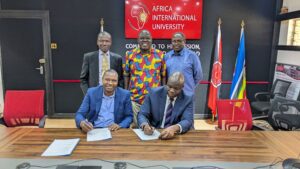
Across the border in Kenya two new central cohorts began at Carlile College in Nairobi in April, with 26 diploma level students and 11 at a new certificate level, which has created an entry point for recognised study, not least by recognising candidates’ prior learning. There were new developments with that, too, with a mix of areas and denominations, with Anglicans, those from the African Inland Church, and Pentecostals represented. As with the Ugandan residential blocks, mentioned above, there was strong representation from the north of Kenya, another area with poor and limited access to training.
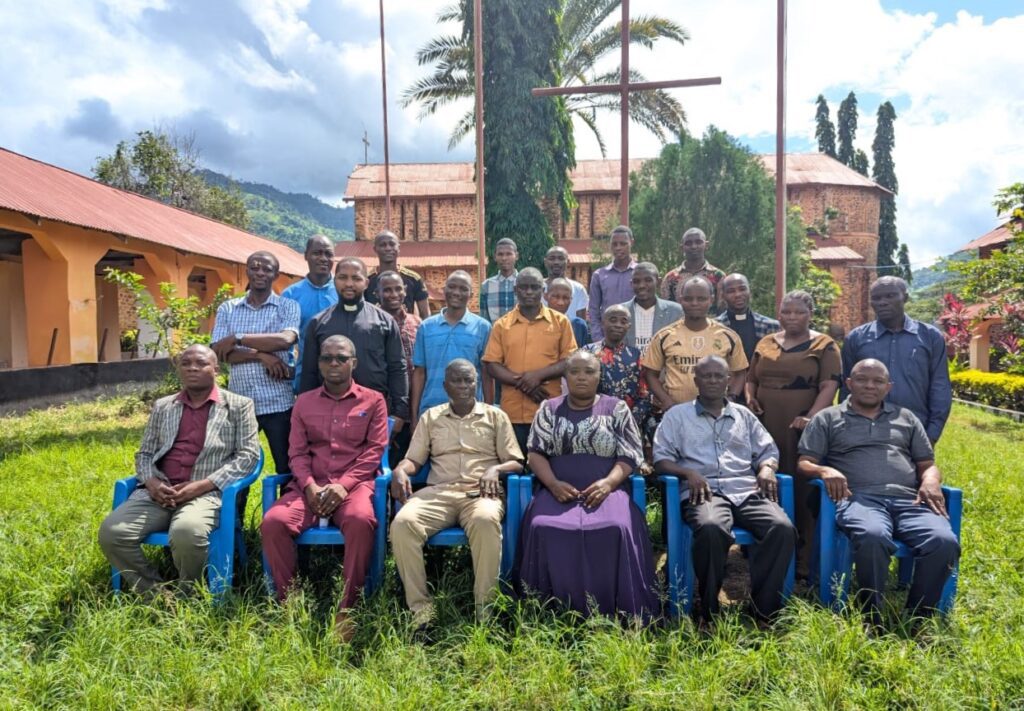
In Tanzania training teams have been in very different areas of the country. First near Lake Victoria, using the Bible college of Mara Diocese, Bunda Bible College (BBC) as a training centre to host trainees from Mara and Rorya dioceses. And more recently, by the coast in Tanga Diocese, where the programme continues to develop well in a different, ‘higher’ church area to that in the west. The BBC group returns in mid-June for three weeks to complete the residentials for their course, as does the Tanga group later in the year.
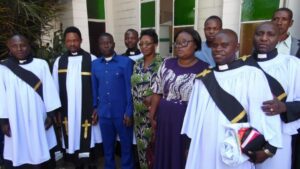
Finally, in Assosa in the west of Ethiopia, close to the Sudan border, a cohort of twenty-six individuals completed their fourth and final block of training to graduate with a certificate from the Diocese of the Horn of Africa, within the Anglican Province of Alexandria. And this all the more remarkable with individuals travelling from the refugee settlements to Assosa town for the training, and then, between their blocks of training, taking what they have learnt to others, at their own personal cost. As Nyanthon, a lay minister, says of what she has been learning, “BUILD is a great gift for us who live in the Camp, it has equipped us to be faithful ministers”.